Jessica Roberts, Navigation and Power Technology Team Leader at Airservices Australia
What is your Job?
As a team leader within Engineering, I guide, support and empower our navigational, electrical and structural engineers as we look after Australia’s national airways system (NAS). My role is to enable the team to deliver safe and reliable aviation infrastructure across the country.
What does a normal day look like for you?
Most of my work can now be done remotely. A typical day is a balance of meetings and focused work. My meetings range from technical reviews such as assessing the feasibility of implementing new systems or improving systems engineering processes, to supplier engagement and supporting my team members through one-on-one conversations. A big part of my day is ensuring my staff have what they need to work safely, efficiently and confidently.
Crazy story from work?
I don’t really have “crazy” stories, but I definitely have some eye-opening ones. I remember the first time I stood with technicians at a localiser – the orange antenna array at the end of a runway that forms part of the Instrument Landing System (ILS). Standing there as a Boeing 747 came in to land right over us was unforgettable.
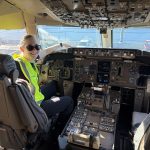
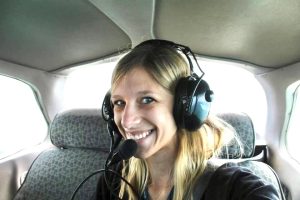
Another memorable moment was stepping inside the Flight Inspection Aircraft for the first time. It was a beautiful Beechcraft stripped of its usual seating and instead filled with equipment used to analyse radio signals from our ground-based navigation systems.
There is so much behind the scenes in aviation that I never knew existed before joining Airservices.
What is your favourite part of the job?
Earlier in my career, it was absolutely the technical work. I loved diving into data and performing detailed engineering analysis. Now, my favourite part is the people – learning what drives each individual and how I can support them.
How did you get to where you are today?
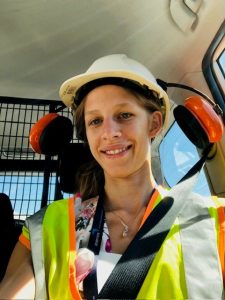
I joined Airservices through the Graduate Program in 2015. The entry requirement was an engineering degree, but the competition was intense, with around 2,000 applicants for just 12 positions. After IQ and cognitive testing, interviews and group collaboration exercises, I was one of the lucky 12, and I have stayed with the company ever since.
What qualifications do you need to apply for your job?
Our engineering roles today require a four-year Bachelor of Engineering, and positions are designed to support future eligibility for professional registration. Many of our engineers study aeronautical engineering, but we also have electrical, structural and mechanical engineers. There are also great opportunities for those passionate about information technology.
For team leader positions, we expect candidates to have an engineering background.
What character qualities do you think suit this position?
Anyone who can complete an engineering degree has the potential to learn the technical aspects of our systems. Beyond that, key qualities include:
- Clear communication skills
- Ambition and drive—push for outcomes and improvements, not just the tasks assigned to you
- Strong problem-solving abilities
- Good people skills—everything we do relies on teamwork
What is involved in the training for your job or for the qualification you gained to get your job?
The foundational requirement is an engineering degree. Within Airservices, we provide hands-on internal training for systems in Communication, Navigation and Surveillance.
Once you move into leadership roles, the focus shifts toward people, communication, and leadership development.
If you could go back and give your younger self some advice, what would it be?
It will all work out, don’t worry so much.
What advice would you give younger girls wanting to start a career in Aviation?
Set long-term goals, then break them into smaller goals and actionable steps.
Understand why those goals matter to you and what sacrifices you are or aren’t willing to make along the way.
Inspirational and insights
“Be the best you can be – only you decide your future”.
Life takes you along unexpected paths. Embrace the journey and remember that every experience shapes you. I never planned on working in aviation when I started university; I studied Engineering Management, saw an opportunity, took a chance, and 10 years later I’m still here and loving it.
A professional career can come with high demands, but you can do it, and there is room for a personal life, too. I’m a first-generation immigrant who moved to Australia at 23 with the man who is now my husband, and today we have two beautiful children. The world is changing, and workplaces increasingly understand that to get the best from people, we must support work life balance and mental wellbeing.